Typical applications include treating musculoskeletal conditions such as osteoarthritis (OA), tendinopathies, ligament injuries, and certain spine-related pain.
Key Regenerative Therapies
Platelet-Rich Plasma (PRP)
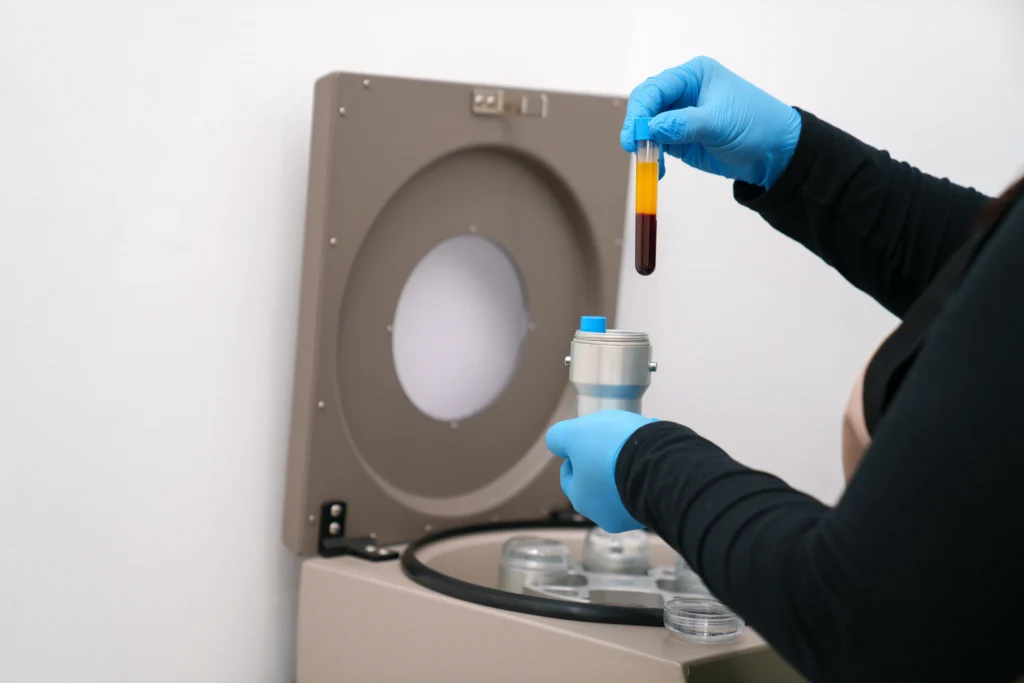
Concentrated platelets from the patient’s blood, rich in growth factors that stimulate healing and reduce inflammation.
Prolotherapy
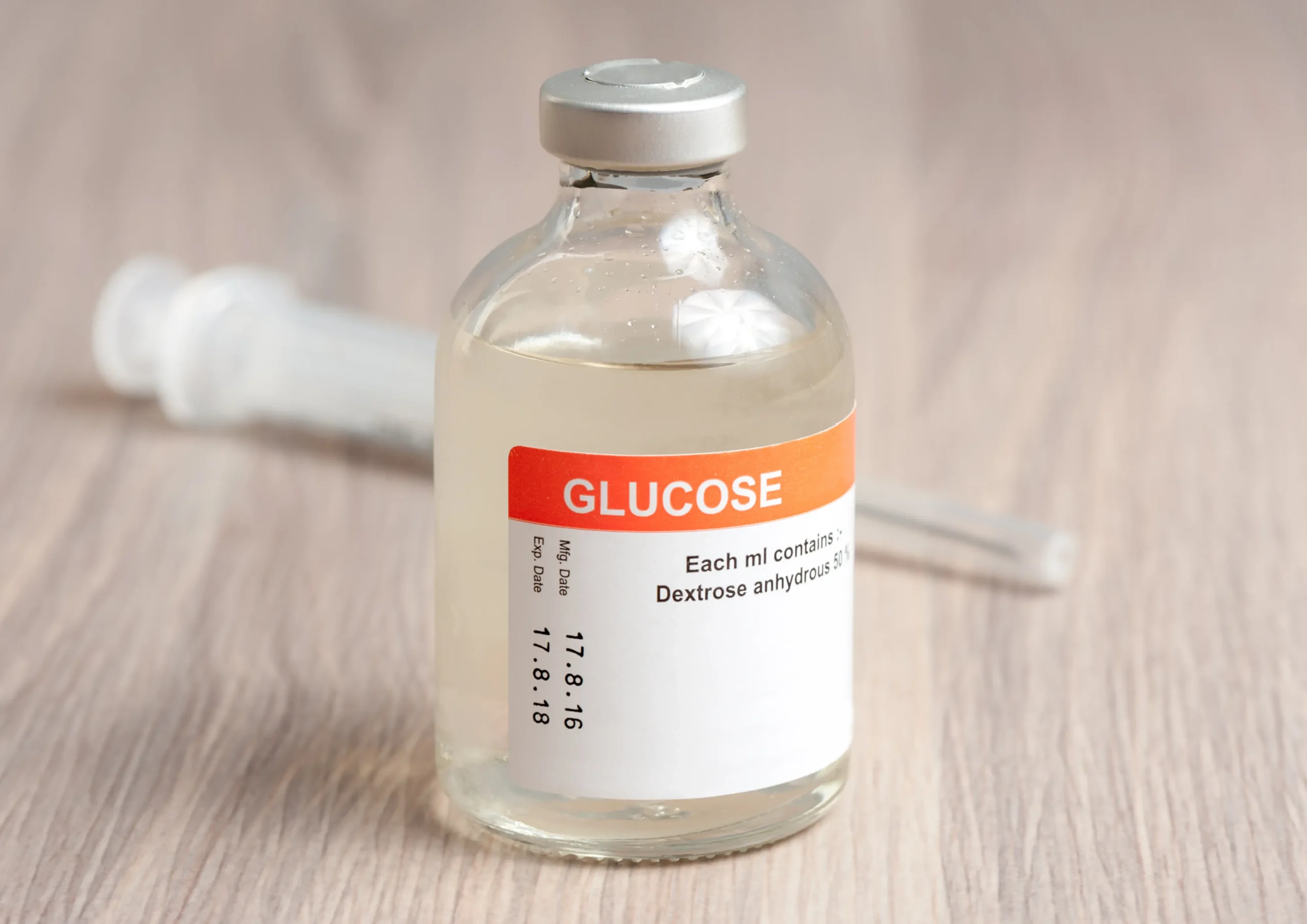
Injections of an irritant solution (typically hypertonic dextrose) to strengthen ligaments and tendons by promoting controlled inflammation and tissue repair.
Other Orthobiologics
Such as autologous conditioned serum.
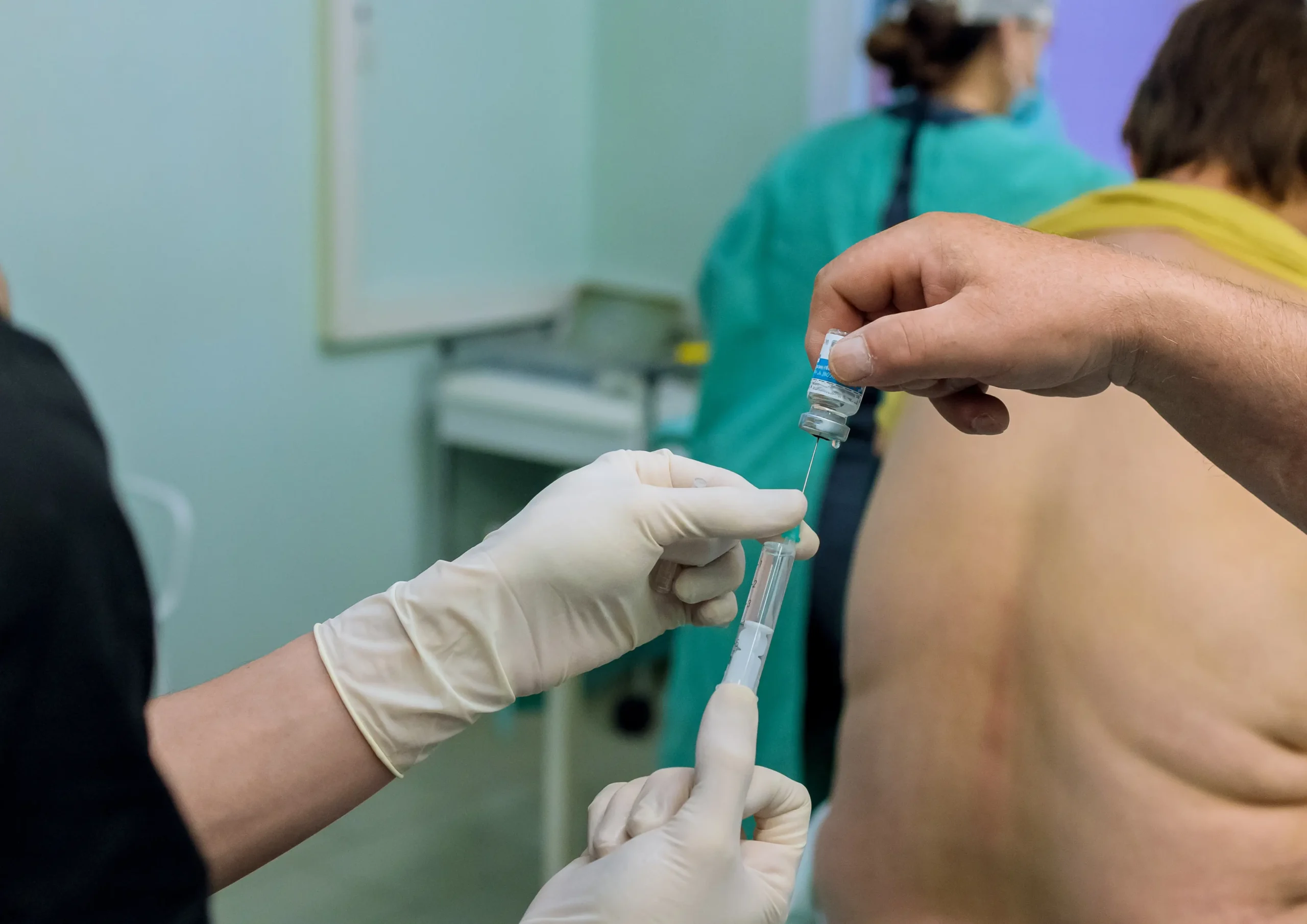
These therapies are typically delivered via precise, image-guided injections into joints, tendons, or other painful structures. Evidence from recent guidelines (e.g., the American Society of Pain and Neuroscience [ASPN] 2024 consensus) and systematic reviews supports their use in select patients with chronic pain who have not responded adequately to conservative treatments, often resulting in improved pain relief, function, and quality of life compared to placebo or standard care.
At our practice, we integrate regenerative medicine into a comprehensive, multimodal pain management plan, always prioritizing evidence-based, patient-specific decisions.
Evidence-Based Applications
Regenerative therapies show particular promise for:
Knee, Hip, and Other Joint Osteoarthritis
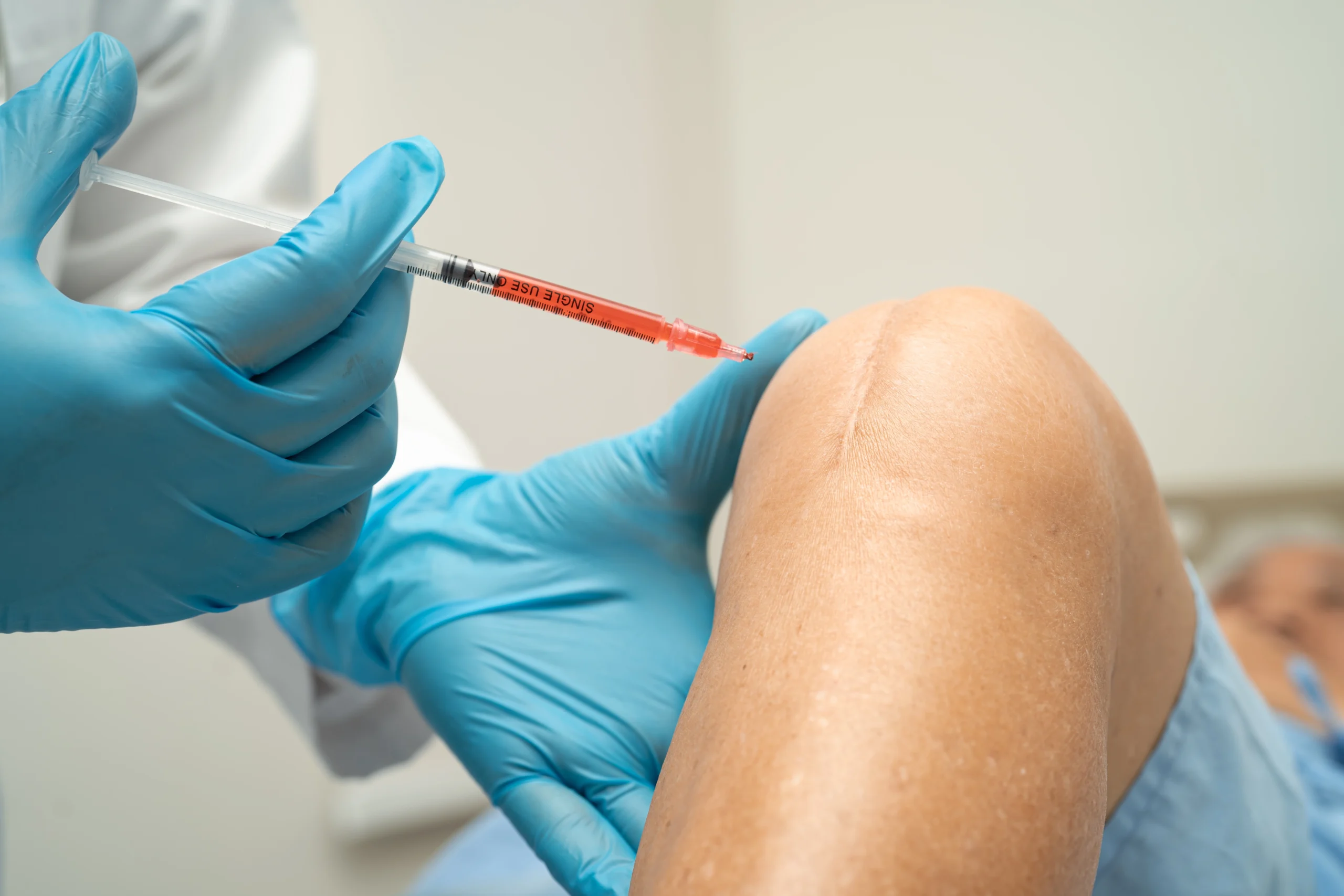
PRP injections have demonstrated short- to mid-term reductions in pain and improvements in function in multiple randomized trials and meta-analyses (2025), often outperforming hyaluronic acid or corticosteroids, with sustained benefits that may delay joint replacement.
Tendinopathies and Ligament Injuries
PRP and prolotherapy support healing in conditions such as tennis elbow, patellar tendinopathy, and chronic ligament laxity.
Spine-Related Pain
Growing evidence for conditions involving ligamentous instability or facet joint pain.
Patient selection is critical best results occur in milder-to-moderate disease stages, among active individuals, and among those committed to rehabilitation. Outcomes vary, and while many patients experience meaningful relief, these treatments are not guaranteed “cures.”
Important Caution: Fraud and Unproven Claims
The rapid growth of regenerative medicine has, unfortunately, led to widespread exploitation by unscrupulous clinics. The FDA and FTC continue to issue warnings and take enforcement actions against fraudulent practices, with ongoing cases into 2025.
Common fraudulent or misleading practices include:
Unapproved “Stem Cell” Products
Many clinics advertise injections derived from amniotic fluid, umbilical cord blood, Wharton’s jelly, or exosomes as containing “live stem cells” that can “cure” arthritis, neuropathy, back pain, or even unrelated conditions like Parkinson’s or Alzheimer’s. In reality, these processed products typically contain no viable stem cells and lack FDA approval for orthopedic or pain indications (FDA Code 361). The FDA has stated that only blood-forming cord blood stem cells are approved for specific uses—none for musculoskeletal pain (FDA Code 351). Click here.
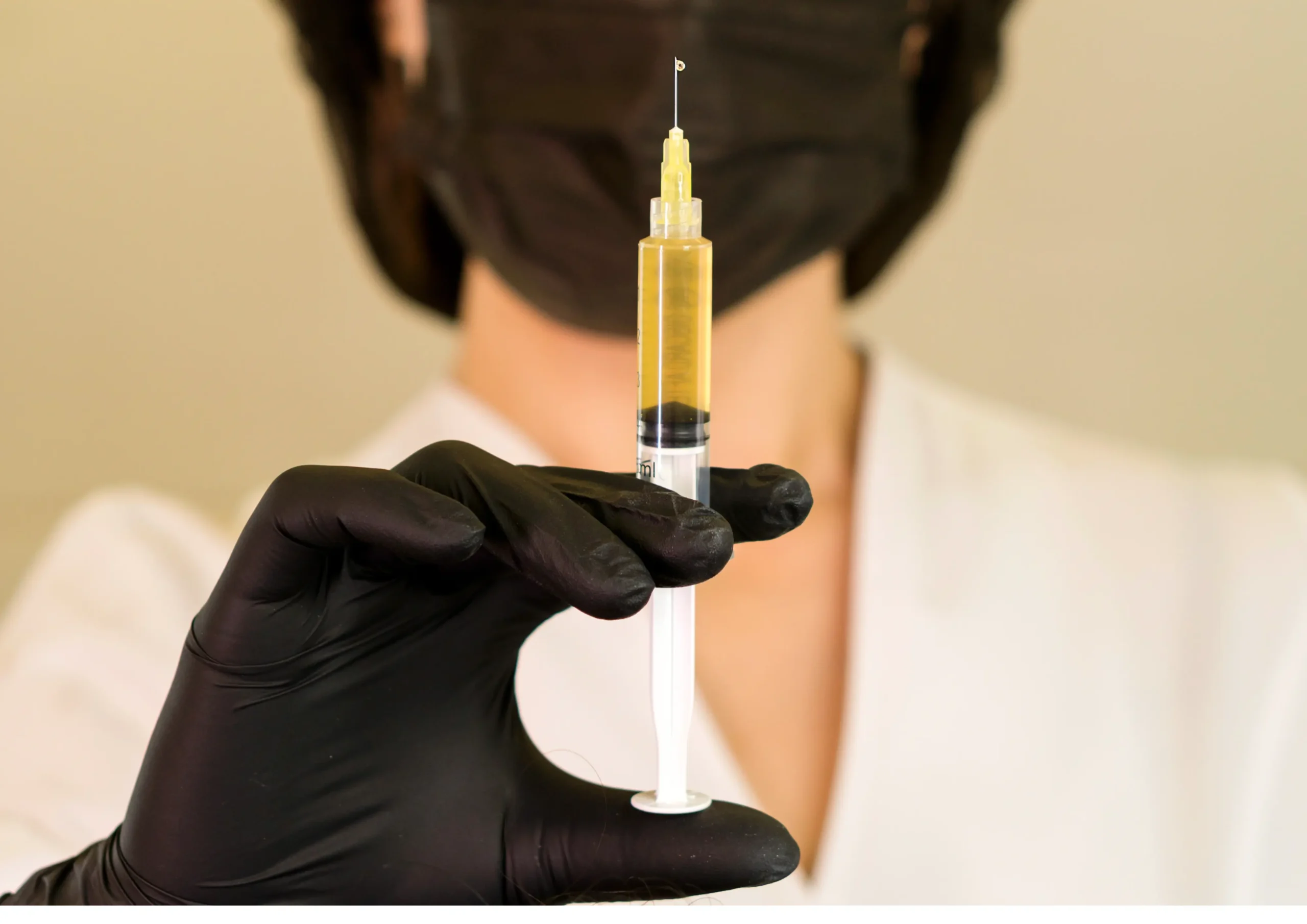
Exaggerated or False Claims
Promises of complete regeneration, permanent cures, or dramatic results without scientific backing. Legitimate therapies like autologous PRP or prolotherapy offer potential benefits, but with realistic expectations and variable outcomes.
Safety Risks
Patients have experienced serious harm, including infections, tumors, blindness, paralysis, worsening pain from unsterile procedures or unproven products, and death.
High Costs Without Benefit
Treatments often cost $5,000–$20,000 per injection, paid out-of-pocket, with no proven superiority over evidence-based options.
Recent Regulatory Actions
The FDA and FTC have secured injunctions, bans, and multimillion-dollar penalties against clinics. Click here and here
A notable historical scandal that damaged trust in stem cell research involved Dr. Piero Anversa, a former Harvard researcher whose lab claimed bone marrow-derived cells could regenerate heart tissue. His work was later found to contain falsified data, leading to the retraction of over 30 papers and a $10 million settlement in 2017. This fraud involved cardiac claims and highlighted the need for scrutiny across all regenerative fields, especially in orthopedics.
Our Commitment to Safety and Ethics
We strictly adhere to FDA-compliant, evidence-based practices. We use only autologous (patient-derived) biologics, such as PRP and prolotherapy solutions, prepared under strict protocols. We do not offer unapproved allogeneic products, off-label “stem cell” therapies, or make unsubstantiated claims. Our approach emphasizes transparency, informed consent, and realistic, safety-focused goals with proven outcomes.
Benefits of Ethical Regenerative Pain Medicine
When appropriately applied, regenerative therapies can:
- Reduce pain and inflammation naturally
- Improve joint function and mobility
- Enhance the quality of life and delay invasive surgery
- Complement other treatments, such as physical therapy or interventional procedures
If chronic pain is limiting your life, we’re here to provide honest, evidence-based options. Contact us for a comprehensive evaluation to determine if regenerative medicine or another tailored approach is right for you.