Acupuncture is a time-tested therapeutic technique originating from Traditional Chinese Medicine, involving the insertion of thin, sterile needles into specific points on the body (known as acupoints) to alleviate pain and promote overall well-being. In modern pain management, it serves as a safe, non-pharmacological option that stimulates the body’s natural healing processes.
It effectively addresses both acute pain (e.g., post-surgical or injury-related) and chronic pain conditions such as low back pain, neck pain, osteoarthritis, headaches, migraines, and myofascial pain.
At our interventional pain management practice, we integrate acupuncture as part of a comprehensive, multimodal approach. It complements other treatments like medications, physical therapy, and interventional procedures, helping reduce reliance on opioids while improving function and quality of life.
How Does OMT Work for Pain Relief?
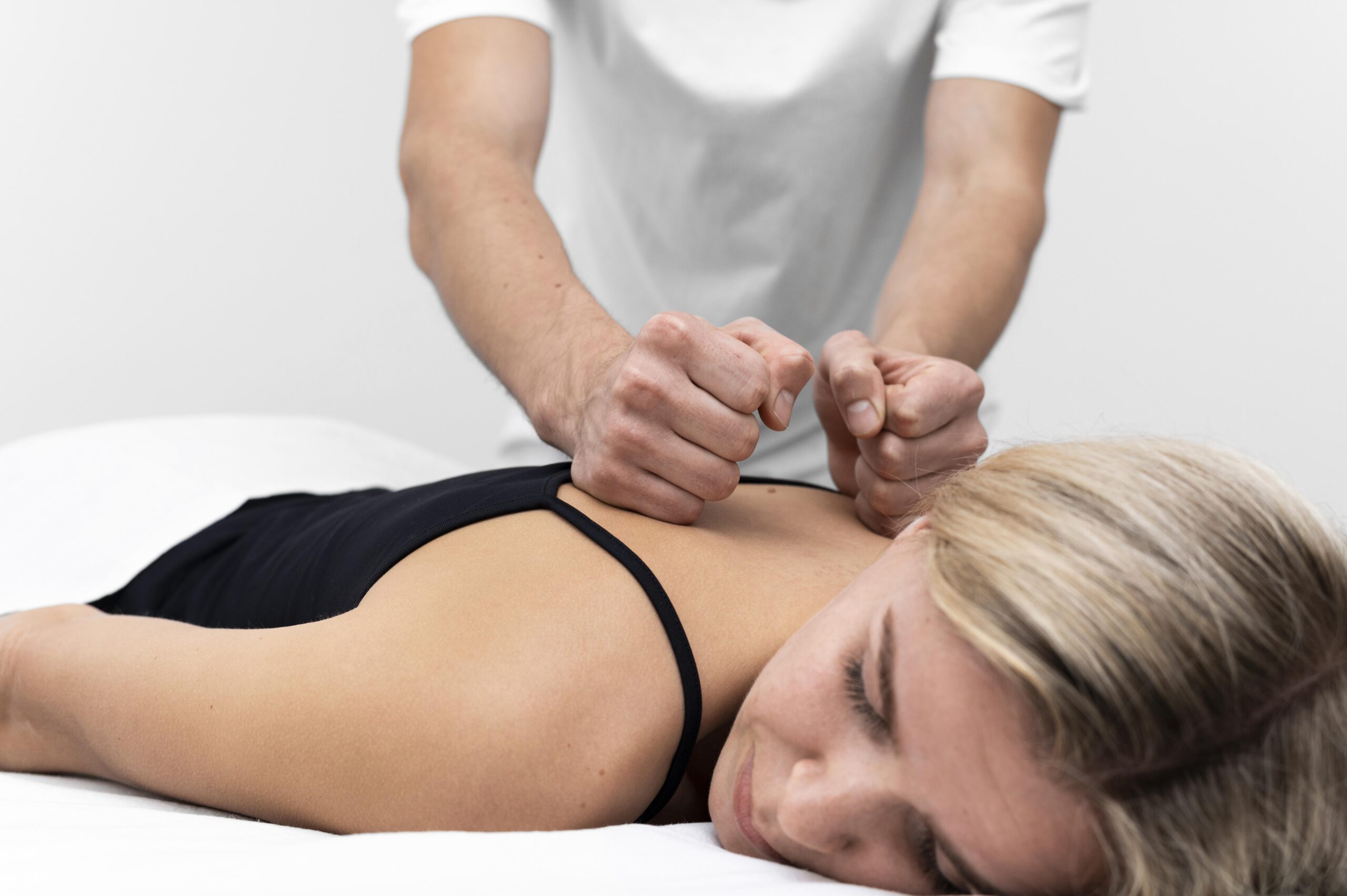
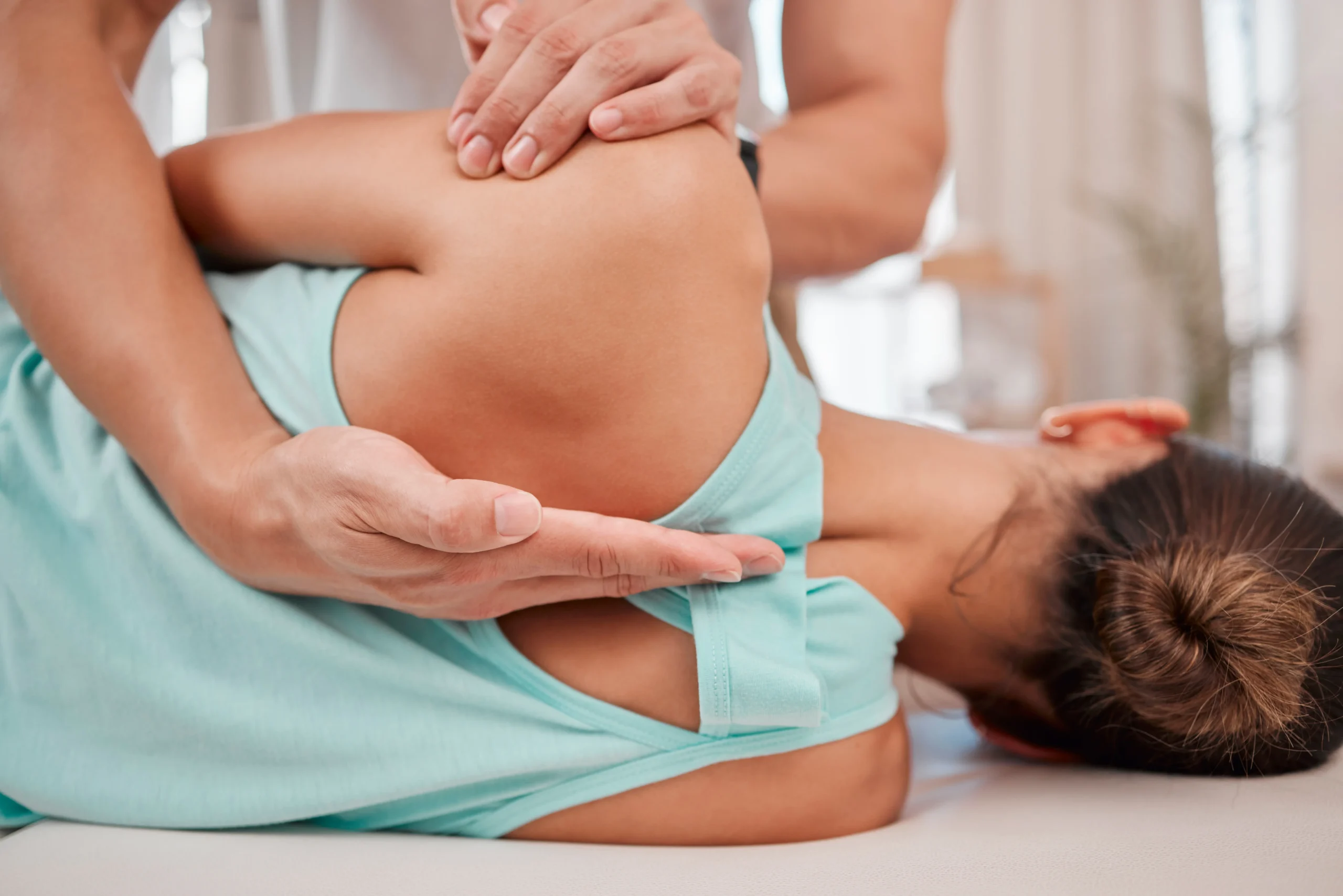
OMT operates on osteopathic principles that emphasize the interconnectedness of the body’s structure and function. Techniques influence multiple systems:
Biomechanical Improvement
Restores joint mobility, relieves muscle tension, and corrects postural imbalances.
Neuromuscular Modulation
Influences nerve signaling to decrease pain perception and muscle spasms.
Holistic Effects
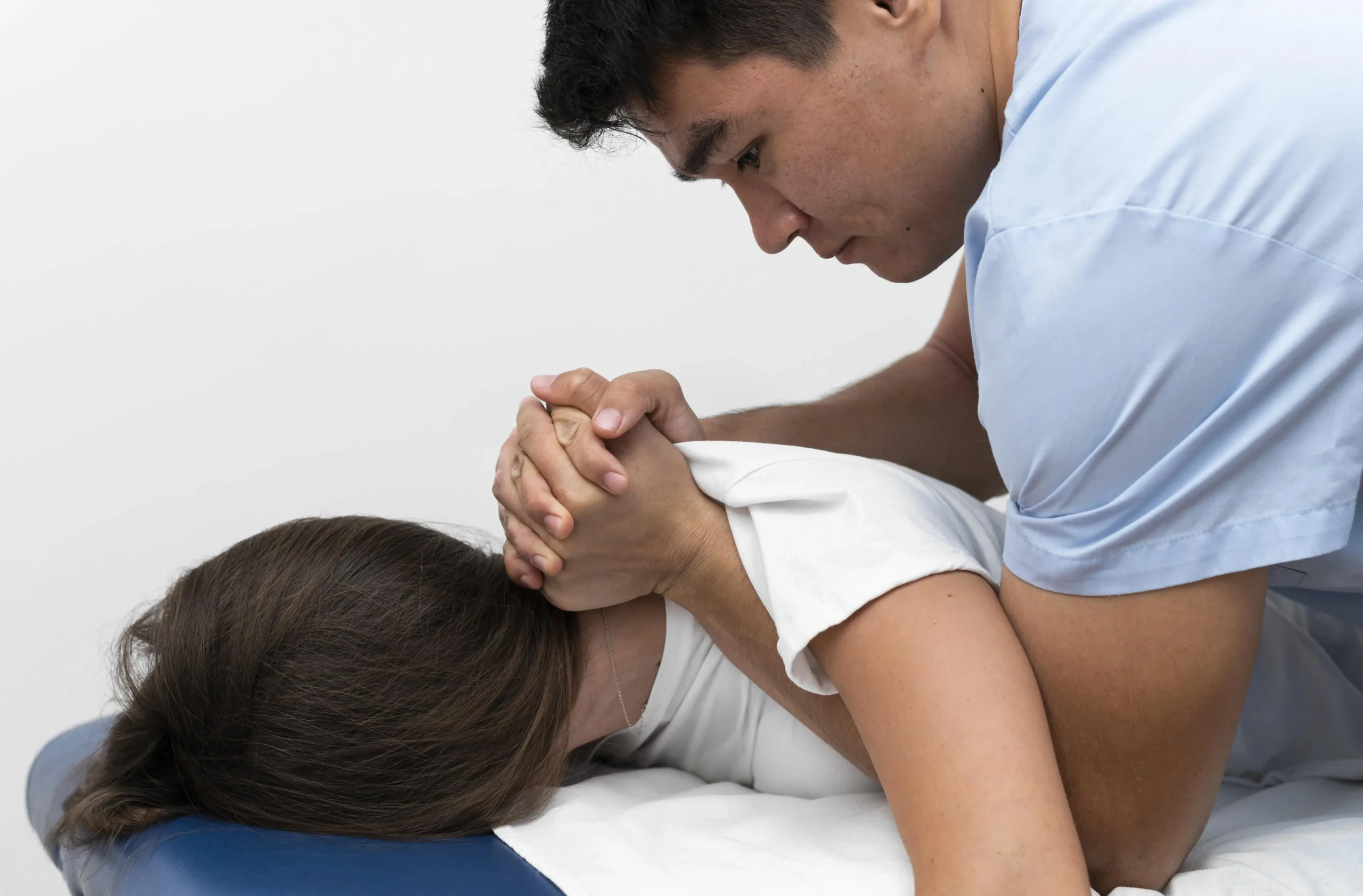
Common techniques include myofascial release, muscle energy, strain-counterstrain, soft tissue mobilization, and high-velocity low-amplitude (HVLA) thrusts—selected based on your specific needs and tolerances.
These effects provide meaningful relief that often persists beyond the treatment course, with studies showing benefits lasting up to a year or more in many patients.
Evidence-Based Applications
OMT has strong evidence, particularly for musculoskeletal pain:
Chronic Low Back Pain
The American Osteopathic Association (AOA) and American College of Physicians (ACP) guidelines recommend OMT as a first-line non-pharmacological treatment. Systematic reviews and meta-analyses show moderate-quality evidence for significant pain reduction and improved function, often outperforming usual care and persisting for months.
Neck Pain and Headaches
Effective in reducing pain intensity and improving mobility.
Joint Pain (e.g., Osteoarthritis)
Helps alleviate symptoms in knees, hips, and shoulders.
Other Musculoskeletal Conditions
Supports recovery from tendinopathies, fibromyalgia-related pain, and post-injury stiffness.
Many patients experience reduced pain, better daily function, improved sleep, and lower medication use. OMT integrates seamlessly with physical therapy, injections, or lifestyle modifications for optimal results.
Our Approach to OMT
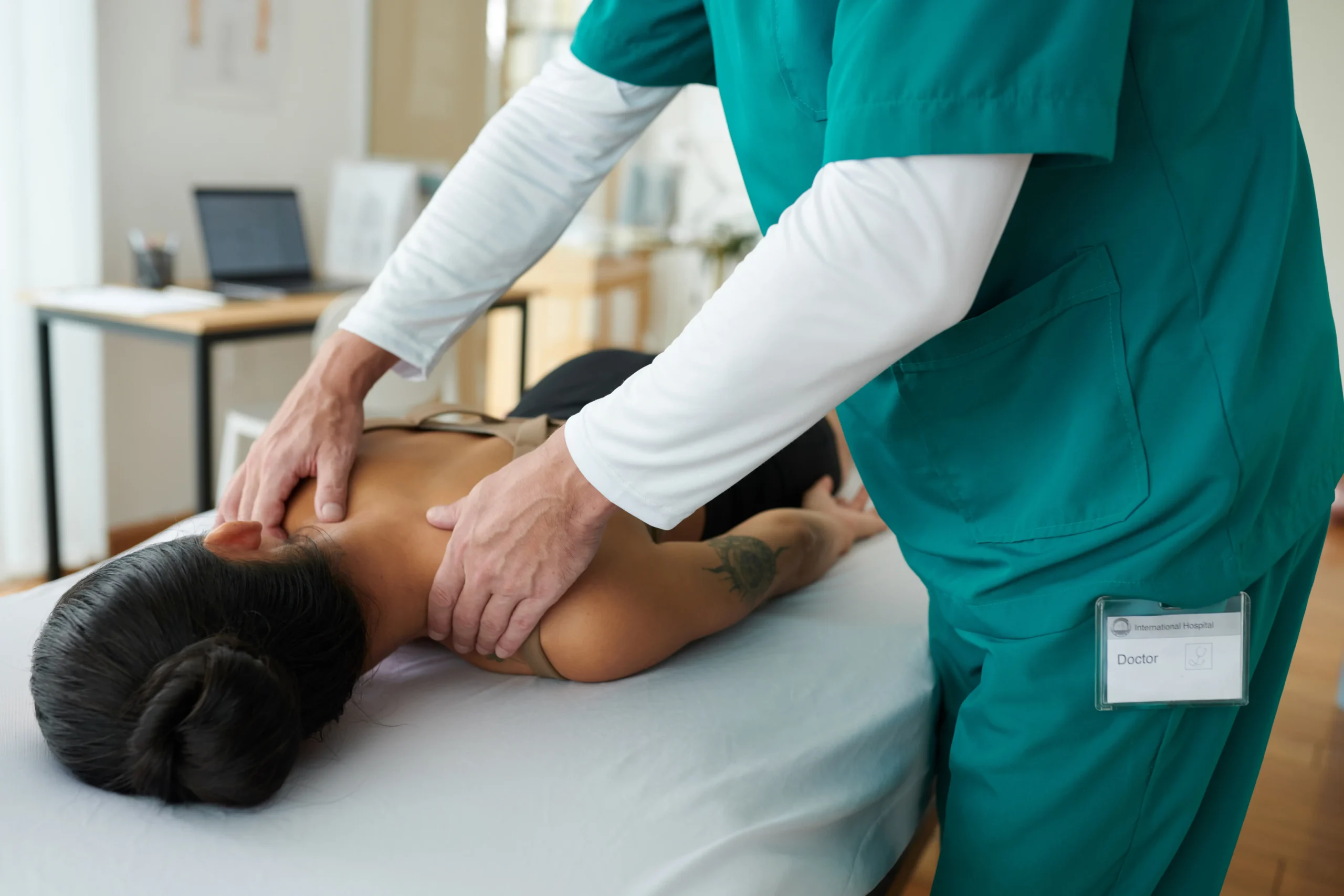
Our DO physicians receive extensive training in OMT alongside full medical education, allowing us to combine hands-on care with comprehensive diagnostics and treatments. We begin with a thorough evaluation, including osteopathic structural exam, to identify somatic dysfunction contributing to your pain.
Treatments are gentle, tailored, and typically last 15–30 minutes. An initial course may involve 4–8 sessions, with maintenance as needed. We often pair OMT with interventional procedures, rehabilitation, or complementary therapies for a holistic strategy.
Safety and Risks
OMT is one of the safest manual therapies, with millions of treatments performed annually and a very low rate of adverse events. Common minor effects include temporary soreness, fatigue, or mild bruising—similar to post-exercise feelings and resolving within 1–2 days.
Serious complications are extremely rare when performed by trained DOs. We screen for contraindications (e.g., severe osteoporosis, acute fractures, or certain vascular conditions) and adapt techniques accordingly.
Benefits of OMT in Pain Management
Incorporating OMT can provide:
Significant, lasting pain relief without drugs
Improved mobility and daily function
Reduced reliance on opioids or other medications
Enhanced overall well-being and quality of life
A safe, cost-effective complement to traditional care
If musculoskeletal pain is impacting your life, OMT may be a key component of your recovery. Contact us for a consultation to explore how this evidence-based, hands-on approach can help you.